I started this blog as an undergraduate with ample free time on my hand. I continued with my involvement in the community in my postgraduate career, possibly as a displacement activity, procrastinating my thesis. Over the years, it becomes apparent that once one graduates into society, becomes a working adult, married with children (or not), one disappears from volunteering activities. While I must say that I am guilty of this, I have also found over the years how there are incredible people who find time for everything, as well as tips on balancing both.
Tip 1: Choosing Annual Activities
As an undergraduate, when I first heard of "adult" volunteers who only appears once a year to volunteer at annual events, I foolishly scoffed internally at their lack of commitment. In my then-life, free of responsibilities, fanatically volunteering for EVERY EVENT, this merely signifies a lack of commitment.
Now, as a lazy gainfully employed member of society who is often brain dead and physically exhausted at the end of a work day, perhaps married with 2 sets of family commitments to the neck on weekends, you may find it difficult to commit to monthly activities. As a result, I see myself looking up to the once-a-year volunteer. It becomes my personal dedication to make sure that I pledge myself to one annual activity, and participate every year!
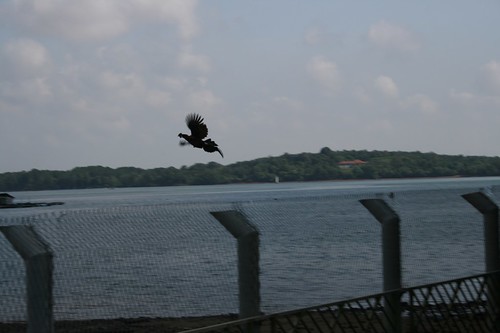
This is when I decided to be involved in a longitudinal jungle fowl and straw headed bulbul survey with NParks on Pulau Ubin and have been consistently participating for the past few years now. For 3 to 4 consecutive weekends in the month of Sep-Oct every year, I make a 2 hour trip to Pulau Ubin to stand for 10-20 minutes in the forest, getting bitten by mozzies and listening for bird calls. Alas, those are the definitive two bird call this non-birder can now identify with confidence. It may sound very little but your little contribution will amount to a mountain after 10, 20 years. After all, the international coastal clean up in Singapore is now into its 22nd year and it started as an annual event!
So find your one annual event and give yourself a pat on the back at the 5, or 10 year anniversary milestone. (This reminds me I better go sign up for my 5th survey this year!)

Tip 2: Involve the Family
Of course, surely, you don't want to just do one activity a year right? So how do you get the time to get involved in the community while spending time with family as well? Well, get family involved!
My parents have always been supportive and know about my volunteering work but I had never actually involved them or invited them to my public events, walks or volunteering activities before. Perhaps they were busy before or language poses a difficulty, but now that my mom is retired with ample time on her hands, chance fell on my lap when Ria was looking for volunteers to help sew mascots for the Festival of Biodiversity this year. What better person to sew than my mom who proudly shares that her hobby is sewing!
It was a success! My mom was hooked and came back for several sessions, lamenting when she couldn't join in. Not only that, she also made a rather anatomically correct squid, from her years of experience cooking them! The squid mascots were also quite popular and made its round amongst the volunteers. She even came down to the Festival and despite the language difficulties, enjoyed herself tremendously. We got in plentiful family bonding time and connected at a new level.
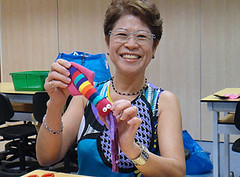

There will always be opportunities you can involve your family in various aspects of nature education, appreciation and awareness so why not find one to spend time together, being involved!
Tip 3: Stay Connected, Stay Informed
You may not be physically out there in the field but stay connected with those who are involved, keep tabs on the latest happenings, know what is happening in the community, and who is out there and how we can support them, even from our armchairs, behind a screen. Only then would we know about things like proposed cross-island line and its possible impacts on our central catchment nature reserve, what people are doing about it and how you can support them!
How to stay connected? well blogs for one and of course the nature folks are now on facebook, twitter and our dear Ivan (Lazy Lizard Tales) have even won a mainstream blog award! Surely one of the community's proudest moments :)
But of course, surely, you must visit Ria's WildSingapore for one stop information about everything wild and nature-y in Singapore.
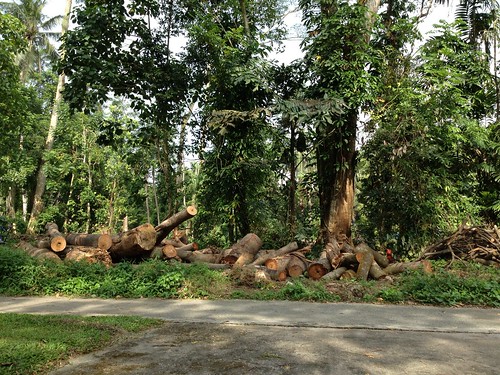
Sometimes it is about taking that information and seeing what we can do about things as part of our work, our daily behaviour, consumer patterns, and as a citizen! Even NEA is calling all of us, every resident in Singapore, as the army for fighting dengue. Because we're all an extra pair of eyes, an extra pair of hands that can chip in to act or to sound the alarm.
Tip 4: Spread the Word
I don't know about you but typical gadget-reliant Homo sapien that I am, my daily morning ritual includes reading facebook and twitter for news the minute I open my eyes. It doesn't stop at reading. Interesting and meaningful news deserves a share / retweet, such as this. Not only do you need to share to spread the word, even when you like a post or article on facebook, chances are some friends of yours will get to see the article on their news feed. Even if my facebook is private, I know I am reaching out to the 1000 people in my circle. How about you?
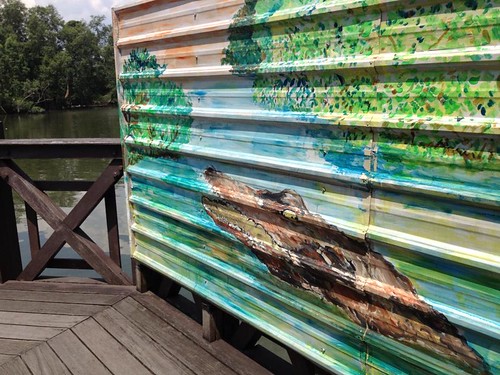
If you are a brave soul, why not take on the folks on STOMP and correct the misidentification of animals or share some positive ways to interact with the urban wildlife around us. And going even further, why not start creating your own content. Yes, I mean blog! To be honest, with the way social media has evolved, it has encouraged laziness, desire for convenience, short notes. But how much can you convey in 140chars and lost very soon in the rapid crossfire of Bieber news and other more exciting tabloid. At the end of the day, the internet and the power of google lies in the hands of users like us, who documents, creates and share information. So websites, blogs, and different form of content creation platforms will still be needed.
It is not easy, it takes lots of perseverance but you won't regret it. Just yesterday, the Butterfly Circle blog celebrated its 6 years anniversary! Khew accounted how his reluctance to blog in the beginning but just look at what a wonderful resource it is for butterflies in the region now! To give due credit, this blog post in itself is much thanks to him for sending me a reminder that the last time I blogged was one year ago!

If you, like me, have problems deciding what to blog due to fear of conflict with work, well, I have been told that the trick is to first find out your company's blogging policy (I havent! gulp), blog about something you are passionate about that does not mention your work (like butterflies) or just focus on positive things (no complaining?). To be honest I am still trying to figure it out. You'll know if I succeed when I start blogging more again! But first, to overcome the convenience of 140chars.
Tip 5: Just Get out There!
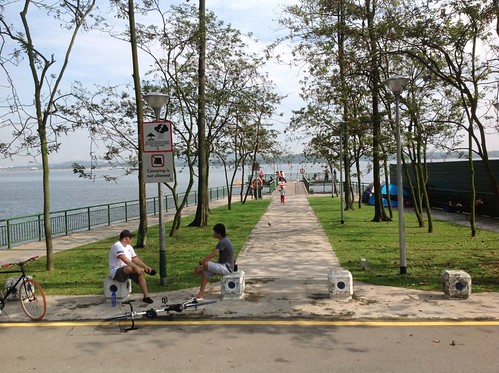
At the end of the day, whether you do it alone, with a group, with other volunteers, with your family, for an event, or just a walk through the nearest park connector, JUST. GET. OUT. THERE.
Not sure where to go? WildSingapore is my personal bible.
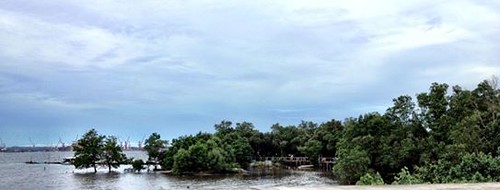
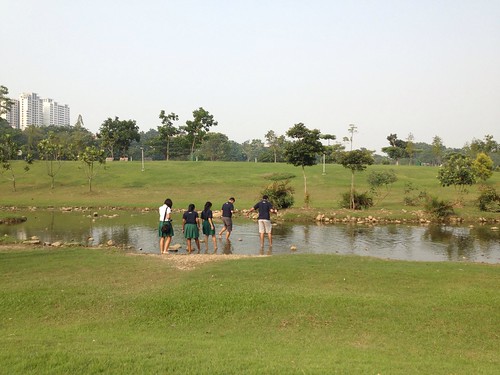
Thanks to my work, I now have excuse to get to know the nature areas in the North more keenly. There has also been a lot of new parks like the Bishan Park that is really far from me but worth checking it out just because it is, really, somewhat amazing! Sometimes it's just driving around getting into out of place areas. Or taking a walk to the nearest lake to get some peace and recharge after a week's worth of chaos and fatigue. Try it. Bring a loved one.
Do you have any other tricks of the trade? Tips to balance the busy work life with getting out there? How do you guys do it?! Yes you, you, I'm talking about you! I want to know. Leave a comment.
Read full article here



 I can be contacted at